
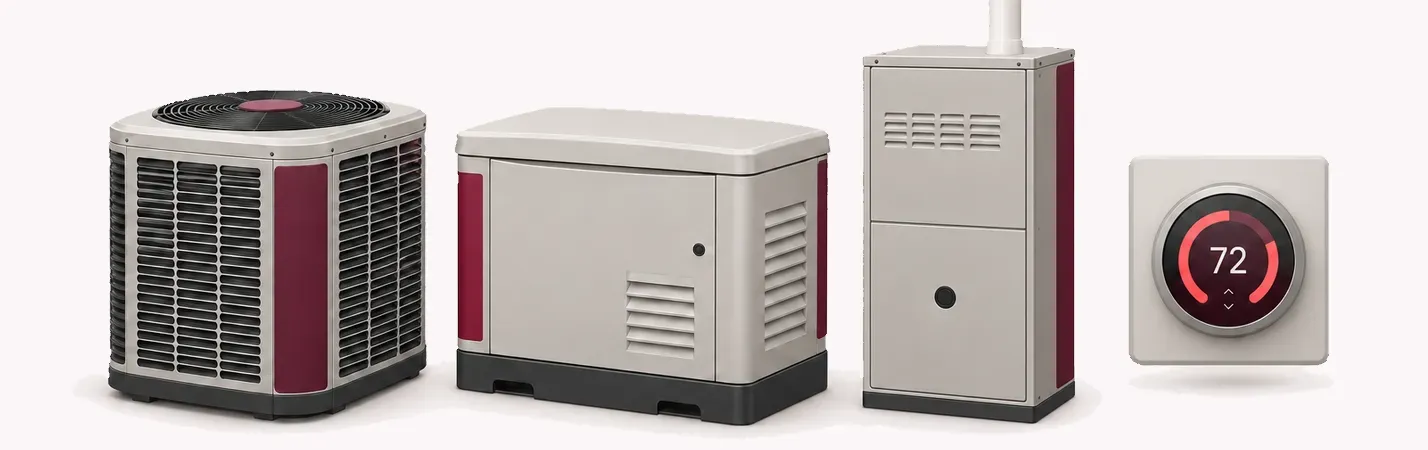
To provide heat, a furnace or heat pump is typically utilized. These units use fuel or electricity to generate warmth, which is then disseminated throughout the building via ductwork. Air conditioning units, on the other hand, employ a refrigeration cycle to remove heat from the air, effectively cooling it down.
Heating, Ventilation, and Air Conditioning
Understanding HVAC: The Backbone of Indoor Air Comfort
The HVAC system, an acronym for Heating, Ventilation, and Air Conditioning, is the silent sentinel safeguarding our indoor environmental comfort.
An HVAC system’s primary function revolves around three key pillars: regulating temperature, maintaining air quality, and controlling humidity levels. It accomplishes these tasks through a complex network of interconnected components that function in harmony.
Ventilation, the V in HVAC, is crucial for maintaining indoor air quality. It involves exchanging indoor air with fresh outdoor air to dilute pollutants and manage moisture levels. This process can either be natural, through windows and vents, or mechanical, using fans and ducts.
The management of humidity is handled by devices like dehumidifiers or humidifiers, either standalone or integrated into the HVAC system. These devices help keep the humidity level within the comfort range, enhancing overall air quality.
Ultimately, a well-tuned HVAC system is indispensable for maintaining a comfortable, healthy, and inviting indoor environment.
HEATING
The following are types of heating systems that are used for residential, commercial, and industrial applications:
Central Heating.
This type of system facilitates the distribution of warmth from one point in the interior of a structure to multiple rooms. Air, steam, or water is warmed through the use of a furnace, boiler, or heat pump in a central location. This central location is usually a large building’s mechanical room or a home’s furnace room.
Hydronics.
In hydronics, heating and cooling systems utilize water as the medium for heat transfer. It is simply the process of moving heat from where it is produced to where it is needed by using water as a conveyer. Both of these heating systems may contain piping or duct work for forced air systems to expedite distribution of heated fluid to radiators.
Speak with one of our HVAC specialists today to learn which heating system will suit your needs.
VENTILATION
The process of changing and replacing air in a given space, ventilation is a multipurpose system. It plays an important role in maintaining the right temperature and optimum indoor air quality.
Aside from being an effective means in controlling temperature, ventilation is used to remove airborne bacteria, carbon dioxide, dust, heat, moisture, odors, and smoke. Oxygen is also replenished through the circulation of air within the interior and the exchange of indoor and outdoor air.
Cooling
AIR CONDITIONING
The removal of heat results to air conditioning and refrigeration. In the refrigeration cycle, heat pump systems, convection, and radiation remove heat. Below are two types of cooling systems:
Air Conditioning System.
Also referred to as a standalone air conditioner, this system works by providing cooling, humidity control, and ventilation to a certain part or the entire area of a structure.
Central Air Conditioning System.
This central type of cooling is also called “all-air” conditioning or package systems. Often installed in public buildings, offices, and modern residences, this system features a combined outdoor condenser/evaporator unit with air ducts to facilitate the transfer of cool air.
ENERGY EFFICIENCY
Here at AccuTemp Cooling and Heating, we feature products from the leading manufacturer’s in the country to give you energy-efficient choices for any kind of HVAC project. Our goal is to help you find the heating and cooling systems you need while considering environmental issues and increasing energy costs. Call us now at (318) 861-2255 to learn more about or HVAC services in Shreveport, LA.